
📑 Table of Contents
1. What Is the Federal Reserve’s Stance on Cryptocurrencies?
The Federal Reserve’s relationship with cryptocurrencies has been one of cautious skepticism since the early days of Bitcoin. While the Fed does not explicitly “hate” cryptocurrencies, it has consistently raised concerns about their implications for monetary policy, financial stability, and consumer protection.
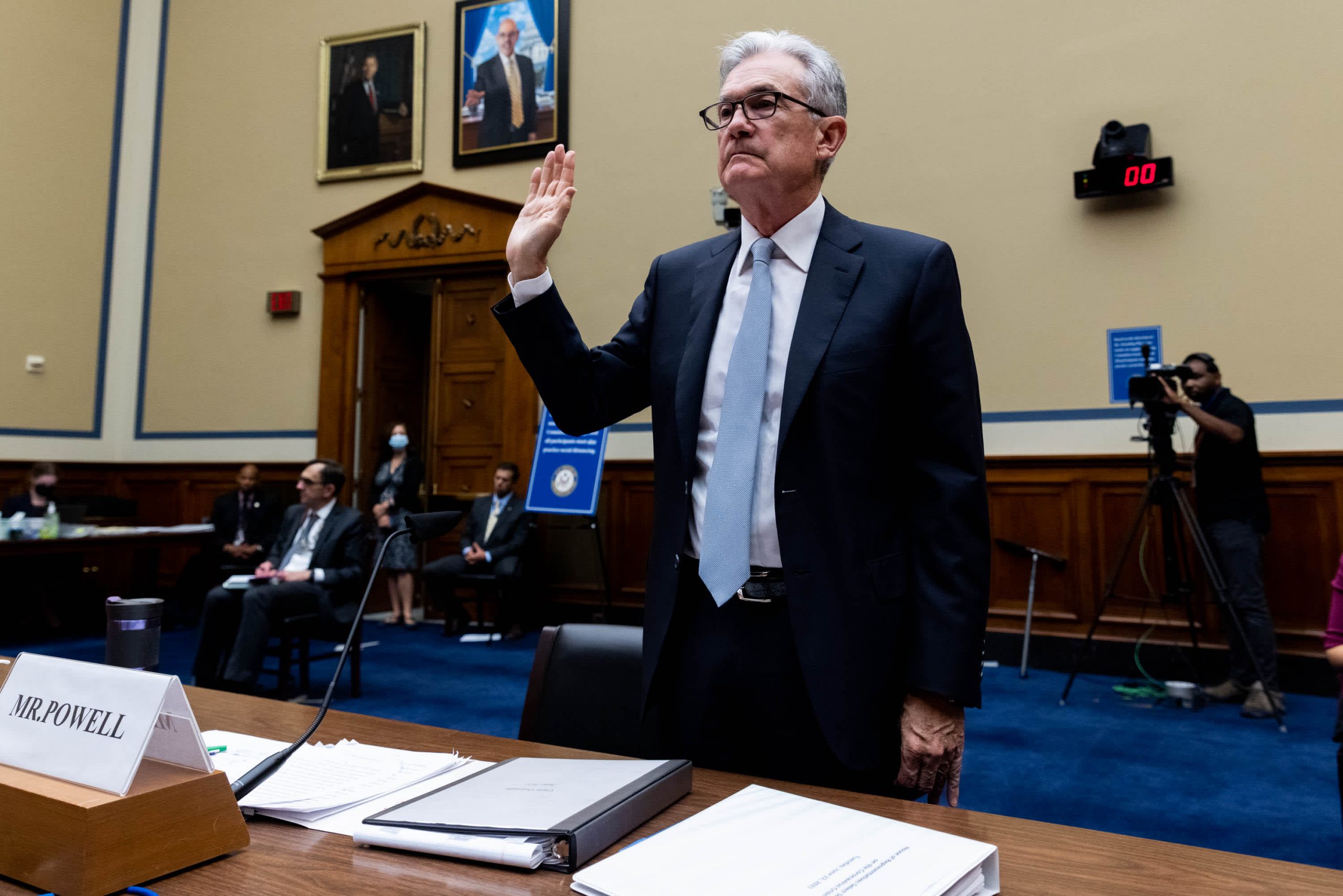
In 2021, then-Chair Jerome Powell testified before the Senate Banking Committee that stablecoins would need “an appropriate framework” — a clear signal that the Fed viewed private digital currencies as a potential threat to the existing financial system. Powell also stated that a digital dollar would eliminate the need for cryptocurrencies, underscoring the Fed’s preference for a central bank digital currency (CBDC) over private alternatives.
By 2026, the landscape had shifted dramatically. With the appointment of Kevin Warsh as Fed Chair and the passage of the GENIUS Act in 2025, the Fed’s stance has evolved from outright opposition to a more nuanced approach: regulation rather than prohibition.
2. Why Does the Fed Fear Stablecoins?
The Federal Reserve’s concerns about stablecoins centre on three main areas:
2.1 Loss of Monetary Control
Stablecoins operate outside the traditional banking system. If they become widely adopted as a medium of exchange, the Fed could lose its ability to influence money supply and interest rates effectively. This is the core reason why the Fed views stablecoins as a threat to monetary sovereignty.
2.2 Financial Stability Risks
Stablecoins are only as stable as their reserves. A run on a stablecoin — where holders rush to redeem their tokens — could trigger a broader financial panic, especially if stablecoin reserves are invested in risky assets. The Fed has repeatedly warned about the lack of transparency in stablecoin reserves.
2.3 Illicit Finance and Regulatory Arbitrage
Because stablecoins can be transferred pseudonymously and across borders instantly, they present challenges for anti-money laundering (AML) and counter-terrorism financing (CTF) efforts. The Fed has called for stricter customer identification requirements to address these concerns.
3. Stablecoins vs CBDC vs Electronic USD — Key Differences
This table provides a side-by-side comparison of the three forms of digital dollars: traditional electronic USD (bank deposits), private stablecoins (USDT, USDC), and a potential CBDC (digital dollar issued by the Federal Reserve).
| Feature | Electronic USD (Bank Deposits) | Stablecoins (USDT, USDC) | CBDC (Digital Dollar) |
|---|---|---|---|
| Issuer | Commercial banks | Private companies (Tether, Circle) | Federal Reserve |
| Backing | Fractional reserves | Reserve assets (cash, Treasuries) | Full faith of U.S. government |
| Regulation | Fully regulated | Partially regulated (GENIUS Act) | Fully regulated |
| Privacy | Moderate | Pseudonymous | Potentially limited |
| Speed | Slow (days for cross-border) | Fast (minutes) | Fast (instant) |
| Cost | High for international | Low | Low |
| Access | Bank account required | Internet/crypto wallet | Digital wallet |
| Monetary Control | Full Fed control | No Fed control | Full Fed control |
| Risk | Bank failure risk | Reserve risk, de-pegging | No default risk |
📌 Electronic USD refers to traditional bank deposits. Stablecoins are private digital currencies pegged to the dollar. CBDC would be a digital dollar issued by the Federal Reserve.
4. What Has Changed Since 2021? — 2026 Update
Since the original article was published in 2021, the regulatory landscape for cryptocurrencies and stablecoins has undergone a complete transformation. Here are the key developments:
4.1 The GENIUS Act — Formal Legalization of Stablecoins (2025)
In 2025, the U.S. Congress passed the GENIUS Act, which formally legalized stablecoins in the United States. The law established a regulatory framework for stablecoin issuers, including capital requirements, reserve transparency, and customer identification rules. This marked a significant shift from the regulatory uncertainty that characterised the 2021 landscape.
4.2 Fed Chair Kevin Warsh — No Bailouts for Crypto (2026)
With the appointment of Kevin Warsh as Fed Chair in early 2026, the Fed’s stance shifted from Powell’s cautious skepticism to a more pragmatic approach. Warsh has made it clear that there will be no bailouts for crypto — a position that distinguishes the Fed’s approach from the implicit guarantees that exist in the traditional banking system.
4.3 Senate Ban on CBDC Until 2030 (2026)
In a surprising move, the U.S. Senate passed legislation in mid-2026 that prohibits the Federal Reserve from issuing a CBDC until 2030. This effectively blocks the development of a digital dollar for the foreseeable future, leaving stablecoins as the primary form of digital dollar for the next several years.
4.4 Fed Proposal on Customer Identification (June 2026)
In June 2026, the Federal Reserve proposed new rules requiring customer identification for stablecoin transactions, bringing stablecoins closer to the regulatory framework that applies to traditional banks.
5. Expert Views: Why Stablecoins Are Here to Stay
Despite the Fed’s concerns, many experts believe that stablecoins are not going away. Here are some of the most compelling arguments:
Nic Carter (Castle Island Ventures) argues that stablecoins are “an alternative payments network” that can operate alongside the traditional banking system. He points out that stablecoins offer faster, cheaper cross-border payments than traditional wire transfers.
Alyse Killeen (Stillmark) notes that a CBDC would “bear the same friction as bank wires”, while stablecoins offer the programmability and speed of blockchain technology. This makes stablecoins more attractive for certain use cases, such as decentralised finance (DeFi).
Ronit Ghose (Citi) compares stablecoins to “watching a dubbed movie” — they bring the benefits of digital assets to mainstream users without the volatility of cryptocurrencies like Bitcoin.
Christopher Waller (Fed Governor) has stated that stablecoins are “payment tools, neither evil nor dangerous”. This reflects the Fed’s evolving view that stablecoins can coexist with the traditional financial system, provided they are properly regulated.
As of August 2026, the stablecoin market has grown to over $110 billion in total value, with USDT and USDC dominating the space. This growth underscores the durability of stablecoins as a financial innovation.
6. Frequently Asked Questions
Why does the Federal Reserve hate cryptocurrencies?
The Fed fears loss of monetary control, financial stability risks, and the use of stablecoins for illicit finance. Chair Jerome Powell has stated that a digital dollar would eliminate the need for cryptocurrencies.
What are stablecoins and why is the Fed worried?
Stablecoins are cryptocurrencies pegged to real-world assets like the U.S. dollar. The Fed is concerned because they operate outside the traditional banking system and could undermine monetary policy.
What is the difference between a stablecoin and a CBDC?
Stablecoins are issued by private companies, while a CBDC (Central Bank Digital Currency) would be issued by the Federal Reserve. CBDCs are fully regulated and backed by the government, while stablecoins have varying levels of backing and regulation.
Will the Fed ban stablecoins in 2026?
No. The GENIUS Act (2025) formally legalized stablecoins in the U.S. The Fed is now focused on regulating them rather than banning them.
What is the GENIUS Act and how does it affect stablecoins?
The GENIUS Act is a 2025 law that formally legalized stablecoins in the United States and established a regulatory framework for stablecoin issuers, including customer identification requirements.
How do Fed policies affect forex traders using MT4 and MT5?
While the Fed’s stance on cryptocurrencies affects digital asset markets, forex traders using MetaTrader 4 (MT4) and MetaTrader 5 (MT5) platforms should also monitor these developments, as they can impact USD valuation and overall market sentiment. The Fed’s policies on stablecoins and CBDCs signal its broader approach to financial innovation, which can influence dollar strength.
📌 The big picture: While the Fed grapples with stablecoin regulation, the broader financial world is already moving forward. Discover why stablecoins will change how money works — from faster cross-border payments to new models of value exchange that could reshape the global financial system.
📊 The regulatory timeline: The Fed’s current stance didn’t emerge overnight. Go back to 2021 when Treasury Secretary Janet Yellen convened regulators to discuss stablecoins — a pivotal moment that set the stage for today’s regulatory framework.


 Signal2forex.com - Best Forex robots and signals


