
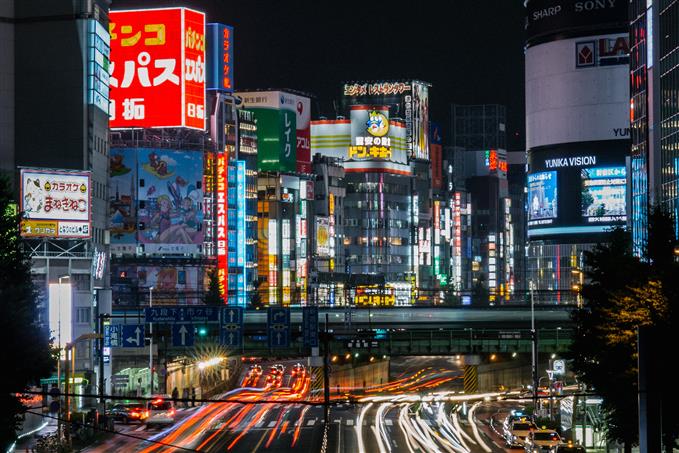
The Tokyo session is a unique trading window with distinct characteristics that offer excellent opportunities for forex traders. This comprehensive guide explains what the Tokyo session is, its trading hours, the best currency pairs to trade, key characteristics, and proven strategies to help you make the most of the Asian trading session in 2026.
1. What Is the Tokyo Session in Forex?
The Tokyo session is the Asian trading session centred around Japan’s financial markets. It is one of the three major forex trading sessions, alongside the London and New York sessions. The Tokyo session is particularly important for traders who focus on JPY pairs and the dynamics of the Asian markets.
The session sets the tone for the trading day in Asia and often provides the initial direction for the London and New York sessions. While the Tokyo session has lower liquidity than the London and New York sessions, it offers unique trading opportunities characterised by range-bound price action, moderate volatility, and clearer support and resistance levels.
The Tokyo session is driven by Japanese economic data releases, the activities of Japanese institutional investors, and the carry trade dynamics that are closely linked to the Japanese Yen. Understanding these drivers is essential for successfully trading this session.
📌 Key Definition: The Tokyo session is the Asian trading session centred around Japan’s financial markets. It is one of the three major forex trading sessions and is particularly important for trading JPY pairs.
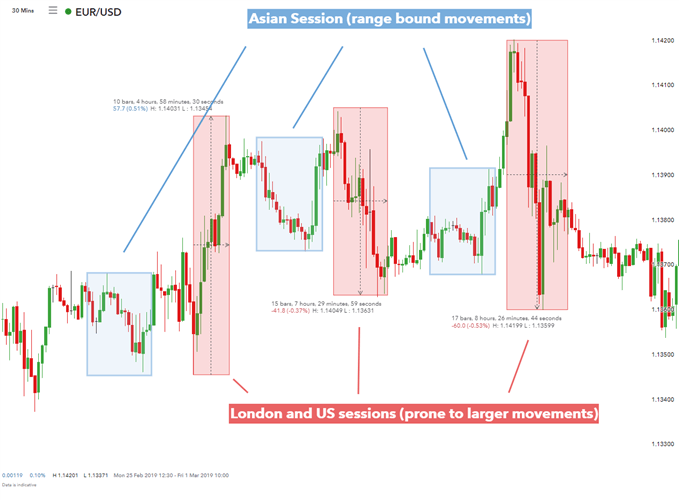
Fig 1: Overview of the Tokyo session — the Asian trading window and its key characteristics.
2. Tokyo Session Trading Hours
The Tokyo session officially runs from 12:00 AM to 9:00 AM GMT (7:00 PM to 4:00 AM EST). However, the most active trading period typically occurs during the first few hours of the session, when the Sydney and Tokyo sessions overlap.
Key timing considerations:
- GMT: 12:00 AM – 9:00 AM
- EST (Eastern Standard Time): 7:00 PM – 4:00 AM
- JST (Japan Standard Time): 9:00 AM – 6:00 PM
- Session Open: The first hour (12:00 AM – 1:00 AM GMT) often sees the highest volatility as the market reacts to overnight developments
- Overlap with Sydney: 10:00 PM – 7:00 AM GMT (the Sydney session overlaps with Tokyo for a few hours)
- Overlap with London: 8:00 AM – 9:00 AM GMT (brief overlap with the London open)
Daylight saving time adjustments: During daylight saving time, the session hours shift slightly. It’s important to check the current time difference between your local timezone and GMT to ensure you are trading at the right times.
💡 Pro Tip: The most active period in the Tokyo session is typically the first hour (12:00 AM – 1:00 AM GMT) and the overlap with the London session (8:00 AM – 9:00 AM GMT). These windows often offer the best trading opportunities.
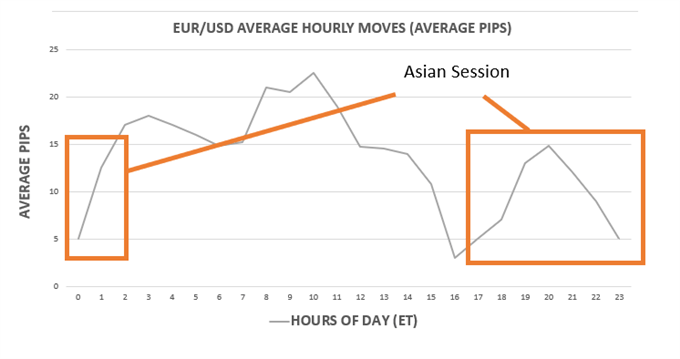
Fig 2: Tokyo session trading hours — GMT, EST, and JST times with key overlap periods marked.
3. Best Currency Pairs for the Tokyo Session
During the Tokyo session, JPY pairs are the most active and offer the best trading opportunities. Here are the top currency pairs to trade during the Asian session:
USD/JPY — The “Tokyo King”
The USD/JPY is the most actively traded pair during the Tokyo session. It is highly sensitive to US economic data and Japanese monetary policy. The pair often trades in a range during the session, with breakouts occurring around key economic releases.
AUD/JPY — Commodity-Driven Volatility
The AUD/JPY is a popular pair for traders looking to capture commodity-driven volatility. Australia is a major exporter of commodities, and the AUD is often influenced by commodity prices. The pair also benefits from the carry trade dynamics between the high-yielding AUD and the low-yielding JPY.
EUR/JPY — Cross Pair Activity
The EUR/JPY is a cross pair that offers exposure to the Eurozone and Japanese economies. It is less liquid than USD/JPY but can offer significant volatility, especially during European economic data releases.
NZD/JPY — Kiwi Dynamics
The NZD/JPY is influenced by New Zealand’s economic data and commodity prices. It is a less liquid pair but can offer excellent opportunities for traders who understand the dynamics of the New Zealand economy.
AUD/USD — Sydney Overlap
The AUD/USD is also active during the Tokyo session, particularly during the overlap with the Sydney session. It is influenced by Australian economic data and commodity prices.
📌 Pro Tip: Focus on JPY pairs during the Tokyo session. The USD/JPY, AUD/JPY, and EUR/JPY are the most active and offer the best trading opportunities. Avoid exotic pairs with low liquidity.
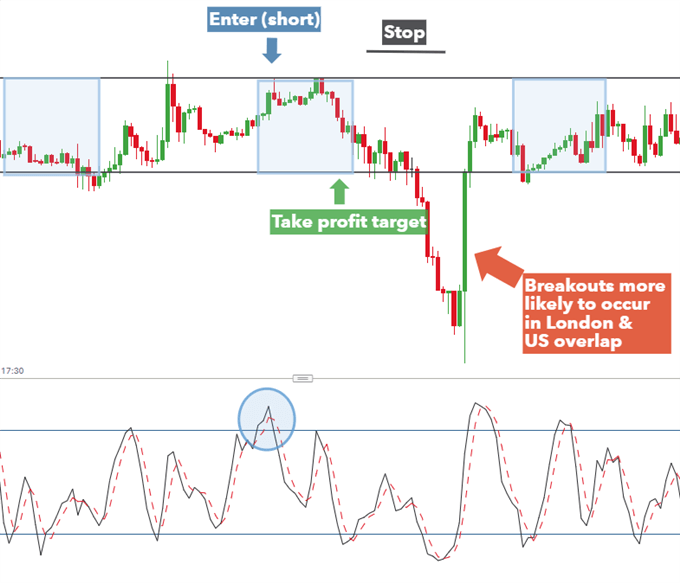
Fig 3: The top currency pairs for trading during the Tokyo session — JPY pairs dominate the action.
4. Tokyo Session Characteristics
The Tokyo session has several distinct characteristics that differentiate it from the London and New York sessions. Understanding these characteristics is essential for developing effective trading strategies.
- 📊 Lower Liquidity: The Tokyo session has lower liquidity than the London and New York sessions. This can lead to wider spreads and more erratic price movements, especially during low-volume periods.
- 📈 Moderate Volatility: Volatility during the Tokyo session is typically moderate. The Asian session tends to be range-bound, with price often consolidating within a defined range.
- 📉 Range-Bound Price Action: Price action during the Tokyo session is often range-bound. This means that support and resistance levels are typically clearer and more reliable than during more volatile sessions.
- 📐 Clearer Support and Resistance: The range-bound nature of the session makes support and resistance levels more pronounced. This provides excellent opportunities for range-trading strategies.
- 💸 Higher Spreads: Due to lower liquidity, spreads are typically wider during the Tokyo session. This can impact profitability, especially for scalpers and short-term traders.
- 📰 News Impact: Japanese economic data releases (e.g., CPI, GDP, trade balance, Tankan survey) and Australian data (e.g., employment, retail sales) can cause significant volatility spikes during the session.
💡 Key Insight: The Tokyo session’s range-bound nature and clearer support/resistance levels make it an excellent session for range-trading strategies. The lower liquidity and moderate volatility also make it more forgiving for beginner traders.
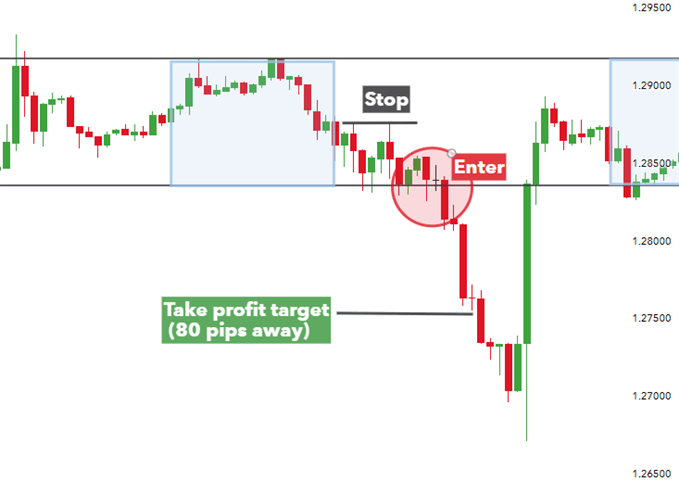
Fig 4: Tokyo session characteristics — lower liquidity, moderate volatility, and range-bound price action with clearer support/resistance levels.
5. Tokyo Session Trading Strategies
There are several proven trading strategies that work well during the Tokyo session. Here are four of the most effective approaches:
Strategy #1 — Tokyo Range Breakout
This strategy involves identifying the trading range that develops during the Tokyo session and then trading the breakout when price breaks out of the range.
- Setup: Identify the high and low of the Tokyo session range (typically the first 4-6 hours)
- Entry: Enter when price breaks above the session high (long) or below the session low (short) with a strong breakout candle
- Stop-Loss: Place stop-loss just beyond the opposite side of the breakout level
- Take-Profit: Target the next support or resistance level, or use the London session open as a profit target
Strategy #2 — Range Trading
This strategy involves trading within the established range, buying at support and selling at resistance.
- Setup: Identify clear support and resistance levels
- Entry: Buy at support (long) or sell at resistance (short)
- Stop-Loss: Place stop-loss just beyond the support or resistance level
- Take-Profit: Target the opposite side of the range
Strategy #3 — Tokyo Fix Arbitrage
The Tokyo Fix occurs at 9:55 AM JST. At this time, Japanese importers and institutions settle their transactions, creating a surge in USD demand. This can cause a predictable price movement.
- Setup: Monitor USD/JPY around 9:55 AM JST
- Entry: Enter shortly before the fix in anticipation of the move
- Stop-Loss: Place stop-loss beyond the recent range
- Take-Profit: Target the anticipated move (typically 10-20 pips)
Strategy #4 — News Trading
Trade around Japanese and Australian economic data releases, which often cause significant volatility spikes.
- Setup: Monitor the economic calendar for key releases (Japanese CPI, GDP, trade balance, Australian employment)
- Entry: Enter on the break of the range following the news release
- Stop-Loss: Place stop-loss beyond the pre-news range
- Take-Profit: Target the first support or resistance level
✅ Key Takeaway: The most successful Tokyo session traders combine range awareness with breakout anticipation. By understanding the session’s characteristics, you can identify high-probability setups and manage risk effectively.
6. Tokyo Session vs London and New York Sessions
Understanding how the Tokyo session compares to the London and New York sessions is essential for choosing the right trading window. Here’s a detailed comparison:
| Feature | Tokyo Session | London Session | New York Session |
|---|---|---|---|
| Liquidity | Moderate | Very High | High |
| Volatility | Moderate | High | High |
| Typical Price Action | Range-bound | Trending | Trending |
| Best Pairs | USD/JPY, AUD/JPY, EUR/JPY | EUR/USD, GBP/USD, USD/CHF | EUR/USD, USD/JPY, GBP/USD |
| Spread Width | Wider | Tight | Tight |
| Best Strategies | Range trading, Breakout | Trend following, Momentum | Trend following, News |
| News Impact | Japanese/Australian data | European data, BoE | US data, Fed |
📌 Which Session Is Best? The best session depends on your trading style. If you prefer range-bound trading with clearer support/resistance levels, the Tokyo session is ideal. If you prefer trend-following with high liquidity, the London and New York sessions offer more opportunities.
7. Tokyo Session Reference Table
Use this reference table to quickly understand key terms, identify the best pairs, and follow a trading checklist.
Part 1: Key Terms & Definitions
Part 2: Best Pairs by Session
| Session | Best Pairs | Liquidity | Volatility | Notes |
|---|---|---|---|---|
| Tokyo | USD/JPY, AUD/JPY, EUR/JPY, NZD/JPY, AUD/USD | Moderate | Moderate | JPY pairs dominate; range-bound |
| London | EUR/USD, GBP/USD, USD/CHF, EUR/GBP | Very High | High | Most liquid session |
| New York | EUR/USD, USD/JPY, GBP/USD, USD/CAD | High | High | US data drives volatility |
Part 3: Tokyo Session Characteristics
| Characteristic | Description | Implication for Traders |
|---|---|---|
| Liquidity | Lower than London/New York | Wider spreads, fewer large moves |
| Volatility | Moderate | Range-bound trading opportunities |
| Price Action | Often range-bound | Clearer support/resistance levels |
| News Impact | Japanese and Australian data | Volatility spikes around releases |
| Best Time | Session open and overlap with Sydney | Higher activity at session start |
Part 4: Quick Reference Checklist
8. Frequently Asked Questions (FAQ)
What is the Tokyo session in forex?
The Tokyo session is the Asian trading session centred around Japan’s financial markets, typically running from 12:00 AM to 9:00 AM GMT.
What are the Tokyo session trading hours?
The Tokyo session runs from approximately 12:00 AM to 9:00 AM GMT (7:00 PM to 4:00 AM EST). The most active period is the first hour and the overlap with the London session.
What are the best currency pairs for the Tokyo session?
USD/JPY, AUD/JPY, EUR/JPY, NZD/JPY, and AUD/USD are the most active pairs during the Tokyo session. JPY pairs dominate the action.
Is the Tokyo session good for day trading?
Yes, the Tokyo session offers moderate volatility and range-bound trading opportunities, making it suitable for day trading, especially with JPY pairs.
What is the Tokyo Fix?
The Tokyo Fix is a benchmark rate set at 9:55 AM JST used by Japanese institutions for settlement, often causing a surge in trading activity.
How does the Tokyo session differ from London?
Tokyo has lower liquidity and volatility than London. London is more volatile with higher liquidity. Tokyo is often range-bound while London trends.
What economic news moves the Tokyo session?
Japanese data (CPI, GDP, trade balance, Tankan survey) and Australian data (employment, retail sales, RBA decisions) drive volatility during the Tokyo session.
Can beginners trade the Tokyo session?
Yes, the Tokyo session’s range-bound nature and clearer support/resistance levels make it suitable for beginners. The lower volatility also makes it more forgiving.
What is the best strategy for the Tokyo session?
Range trading and breakout strategies are popular. The Tokyo range breakout into the London session is a well-known approach.
How does liquidity during the Tokyo session compare?
Liquidity is lower than London and New York sessions, leading to wider spreads. However, liquidity is still sufficient for most retail traders.
9. Conclusion: Is the Tokyo Session Right for You?
The Tokyo session offers unique trading opportunities for forex traders. With its range-bound price action, moderate volatility, and clearer support/resistance levels, it is an excellent session for traders who prefer a more predictable and controlled trading environment.
Key takeaways from this guide:
- ✅ The Tokyo session runs from 12:00 AM to 9:00 AM GMT (7:00 PM to 4:00 AM EST)
- ✅ JPY pairs (USD/JPY, AUD/JPY, EUR/JPY, NZD/JPY) are the most active and offer the best opportunities
- ✅ The session is characterised by range-bound price action, moderate volatility, and lower liquidity
- ✅ Popular strategies include range trading, breakout trading, Tokyo Fix arbitrage, and news trading
- ✅ The Tokyo session is suitable for beginners due to its more predictable price action
- ✅ Risk management is essential — use stop-losses and maintain a positive risk-reward ratio
📌 Final Advice: The Tokyo session can be a valuable addition to your trading routine. Whether you are a beginner looking for a more forgiving trading environment or an experienced trader seeking to diversify your trading hours, the Tokyo session offers unique opportunities. Practice on a demo account first, develop a strategy that suits your style, and always manage your risk.
Continue your trading education — explore the guides below to deepen your understanding of forex trading and technical analysis.
📞 Need Help? Contact Us
Our support team is ready to assist you with any questions about Tokyo session trading, forex strategies, or our products and services.
📌 Support Hours: Our team is available 24/5 via WhatsApp, Telegram, and Live Chat. We respond to all inquiries within 24 hours on business days.


 Signal2forex.com - Best Forex robots and signals


