
📑 Table of Contents
- 1. What Is Greed in Trading and Why Does It Matter?
- 2. How Greed Impacts Trading Performance
- 3. The Psychology Behind Greed in Trading
- 4. How to Control Greed: 7 Proven Strategies
- 5. Greedy Trader vs Disciplined Trader
- 6. Common Mistakes That Fuel Greed
- 7. How to Recover After a Greed-Induced Loss
- 8. Frequently Asked Questions
1. What Is Greed in Trading and Why Does It Matter?
Greed in trading is an intense desire for excessive profits that leads traders to make irrational decisions. It is one of the two dominant emotions — along with fear — that drive trader behaviour and often derail even the most well‑planned strategies. Greed can manifest in many ways: over‑leveraging, doubling down on losing trades, moving profit targets higher during winning trades, or simply refusing to take profits when they are available.
According to trading psychology research, greed is responsible for a significant percentage of trading errors. It often appears after a series of winning trades, when a trader becomes overconfident and starts believing they cannot lose. This overconfidence leads to taking on excessive risk, which can quickly turn a successful trading account into a depleted one.
Why greed matters to traders:
- It distorts decision‑making — greed causes traders to ignore their trading plan and act on impulse
- It leads to over‑trading — chasing every opportunity rather than waiting for high‑probability setups
- It turns winning trades into losers — moving profit targets higher and refusing to take profits
- It amplifies losses — doubling down on losing positions in the hope of a reversal
- It destroys consistency — erratic risk‑taking replaces disciplined execution
2. How Greed Impacts Trading Performance
Greed is not just an emotional inconvenience — it has real, measurable effects on trading performance. Understanding how greed manifests is the first step toward controlling it.
Common Signs of Greed in Trading
| Sign | Description | Why It’s Dangerous |
|---|---|---|
| Doubling Down on Losses | Adding to losing positions hoping for a reversal | Can lead to margin calls and account depletion |
| Over‑Leveraging | Trading with more capital than usual | Amplifies losses and increases risk of ruin |
| Chasing the Market | Entering trades impulsively after missing a move | Buying at tops or selling at bottoms |
| Moving Profit Targets | Increasing take‑profit levels during a winning trade | Turns winning trades into losers |
| Ignoring Stop‑Losses | Not using or moving stop‑losses | Turns small losses into large losses |
| Overtrading | Taking too many trades in a session | Increases transaction costs and emotional fatigue |
📌 Recognising these signs in your own trading is the first step toward overcoming greed. If you notice any of these behaviours, it is time to step back and review your trading plan.
Real-World Examples of Greed in Action
Consider a trader who enters a EUR/USD trade with a 50‑pip profit target. As the trade moves in their favour and reaches 40 pips of profit, greed takes over. Instead of taking the profit, they move their target to 80 pips. The trade then reverses, hits their stop‑loss, and they walk away with a loss instead of a profit. This scenario is repeated daily in trading rooms around the world.
Another common example: a trader has a losing trade but believes “it will come back.” They add to the position, averaging down. Instead of a small loss, they now have a large loss that is much harder to recover from. This is greed disguised as hope — the desire to avoid taking a loss at all costs.
The Connection Between Greed and Fear
Greed and fear are two sides of the same coin. Greed often appears after wins (overconfidence), while fear appears after losses. They are interconnected — fear of missing out (FOMO) can trigger greed, and greed‑induced losses can create fear. This cycle can be difficult to break without a structured approach.
3. The Psychology Behind Greed in Trading
Why do otherwise rational traders become greedy? The answer lies in how the human brain processes risk and reward.
Dopamine and the Reward System: When a trader makes a profit, the brain releases dopamine — a neurotransmitter associated with pleasure and reward. This creates a positive feedback loop: profit → dopamine → desire for more profit. Over time, the brain becomes conditioned to seek the dopamine hit, leading to increasingly risky behaviour.
Overconfidence Bias: After a series of winning trades, traders often develop an inflated sense of their own abilities. They believe they have “figured out” the market and start taking unnecessary risks. This is known as overconfidence bias, and it is one of the most common psychological traps in trading.
Loss Aversion and the Sunk Cost Fallacy: Greed also manifests through the fear of missing out on potential gains. Traders hold onto losing positions because they do not want to realise a loss, hoping the trade will turn around. This is the sunk cost fallacy — the inability to accept that a trade is not working and move on.
The Role of Ego: For many traders, trading is not just about making money — it is about being “right.” Greed often stems from the ego’s need to be correct, leading traders to hold positions longer than they should or to double down on losing trades to prove they were right.
Understanding these psychological drivers is essential for developing effective strategies to control greed.

4. How to Control Greed: 7 Proven Strategies
Controlling greed is not about eliminating it — it is about managing it. Greed is a natural human emotion that cannot be completely removed. The goal is to recognise it when it appears and have systems in place to prevent it from influencing your decisions.
| Strategy | How to Implement | Expected Benefit |
|---|---|---|
| 1. Create a Detailed Trading Plan | Write down entry/exit rules, risk tolerance, position sizing | Removes emotional decision‑making |
| 2. Implement Strict Risk Management | Risk 1‑2% per trade, use proper position sizing | Prevents large losses and margin calls |
| 3. Keep a Trading Journal | Record every trade with rationale and emotions | Identifies patterns and triggers |
| 4. Set Realistic Profit Targets | Achievable daily/weekly profit targets | Prevents chasing unrealistic gains |
| 5. Use Stop‑Loss and Take‑Profit Orders | Always use stop‑losses, never move them | Limits losses and enforces discipline |
| 6. Take Partial Profits | Take partial profits at predetermined levels | Locks in gains and reduces greed |
| 7. Practice Mindfulness and Discipline | Take breaks, meditate, practice self‑awareness | Reduces impulsive decisions |
📌 The most effective approach combines multiple strategies. A trading plan without risk management is incomplete, and risk management without a trading journal is difficult to improve.
1. Create a Detailed Trading Plan
A trading plan is a written document that outlines your trading rules, including entry and exit criteria, risk management, and position sizing. It removes ambiguity and emotional decision‑making. Your plan should specify exactly when to enter, when to exit, and how much to risk on every trade. When greed tempts you to deviate from the plan, you can refer back to it and remind yourself of the rules you committed to.
2. Implement Strict Risk Management
Risk management is the single most important factor in long‑term trading success. Most professional traders risk 1‑2% of their account balance per trade. This ensures that a series of losses will not wipe out your account and allows you to trade with a clear mind, knowing that each loss is within your acceptable range. Greed often leads traders to increase their risk after wins — resist this temptation by sticking to your risk management rules.
3. Keep a Trading Journal
A trading journal tracks every trade, including entry/exit, rationale, emotions, and outcomes. It creates a feedback loop that helps you identify patterns, refine your strategy, and maintain accountability. Reviewing your journal regularly can reveal when greed is influencing your decisions. For example, you might notice that you consistently move profit targets higher after a series of wins — a clear sign of greed.
4. Set Realistic Profit Targets
Setting achievable daily or weekly profit targets helps prevent the greed that comes from chasing unrealistic gains. If you have made your target for the day, consider stepping away from the screen. This prevents the “one more trade” mentality that often leads to giving back profits.
5. Use Stop‑Loss and Take‑Profit Orders
Always use stop‑loss and take‑profit orders, and never move them once they are set. This is one of the most effective ways to control greed. A stop‑loss limits your loss, and a take‑profit locks in your gain. Moving these levels is almost always a sign that emotion is taking over.
6. Take Partial Profits
When a trade is moving in your favour, consider taking partial profits at predetermined levels. For example, if your target is 100 pips, you might take 50% of your position off at 50 pips and let the rest run. This locks in some profit and reduces the emotional pressure to hold the entire position too long.
7. Practice Mindfulness and Discipline
Mindfulness — the practice of being present and aware of your thoughts and emotions — can help you recognise greed when it arises. When you feel the urge to take on more risk or move your profit target, take a moment to breathe and ask yourself: “Is this decision based on my plan or on emotion?” Discipline is built through repetition and routine. The more you follow your plan, the more automatic it becomes.
5. Greedy Trader vs Disciplined Trader
The table below highlights the key differences between traders who are driven by greed and those who maintain discipline. Understanding these differences is the first step toward improving your own trading behaviour.
| Aspect | Greedy Trader | Disciplined Trader |
|---|---|---|
| Trading Plan | Trades without a clear plan | Follows a written plan every time |
| Risk Management | Varies risk per trade impulsively | Risk per trade is fixed (1‑2%) |
| Stop‑Loss Usage | Often ignores or moves stop‑losses | Always uses and respects stop‑losses |
| Profit Taking | Moves targets higher during winning trades | Takes profits at predetermined levels |
| Emotional Control | Gets euphoric after wins, revengeful after losses | Stays calm during wins and losses |
| Trade Execution | Enters impulsively, chases the market | Enters based on rules and setup |
| Journaling | Rarely reviews past trades | Reviews trades regularly |
| Long‑Term Results | Erratic, often negative | Steady growth over time |
📌 The disciplined trader is not immune to greed — they simply have systems in place to manage it. Discipline is not about being perfect; it is about having a process you can trust.
6. Common Mistakes That Fuel Greed
Even experienced traders fall into these traps. Avoid these common mistakes to keep greed in check.
| Mistake | Why It Fuels Greed | How to Fix It |
|---|---|---|
| No Trading Plan | Creates uncertainty and impulsive decisions | Create a written plan with clear rules |
| Chasing Losses | Trying to “get even” leads to overtrading | Accept losses as part of trading |
| Moving Stop‑Losses | Allows losses to grow unchecked | Set stops and never move them wider |
| No Profit Targets | Leads to holding too long and giving back gains | Set take‑profit levels before entry |
| Overconfidence After Wins | Leads to taking unnecessary risks | Stick to your plan regardless of recent results |
| Comparing to Others | Fuels desire for bigger gains | Focus on your own plan and progress |
📌 The most successful traders are not the ones who never make mistakes — they are the ones who learn from them and have systems in place to prevent them from recurring.
7. How to Recover After a Greed‑Induced Loss
Greed‑induced losses are painful, but they are also valuable learning opportunities. The key is to handle them constructively rather than letting them spiral into revenge trading or further losses.
Step 1: Pause and Reflect
Stop trading immediately. Take a break — at least 24‑48 hours — to let your emotions settle. Greed often leads to impulsive decisions, and the aftermath of a loss is not the time to make more decisions.
Step 2: Review Your Journal
Go through your trading journal and identify the decisions that led to the loss. Where did greed creep in? Did you move your stop‑loss? Did you increase your position size? Understanding the root cause is essential for preventing it from happening again.
Step 3: Reaffirm Your Trading Plan
Read through your trading plan and remind yourself of the rules you committed to. If you do not have a trading plan, now is the time to create one. A solid plan is your best defence against emotional trading.
Step 4: Reduce Position Size Temporarily
After a loss, consider reducing your position size for a few trades to rebuild your confidence. This is not about “punishing” yourself — it is about reducing the emotional stakes while you get back on track.
Step 5: Focus on Process, Not Profits
Shift your focus from making money to executing your plan correctly. When you focus on the process, the profits will follow. This is one of the most important mindset shifts a trader can make.
8. Frequently Asked Questions
What is greed in trading?
Greed in trading is an intense desire for excessive profits that leads traders to make irrational decisions. It often manifests as over‑leveraging, doubling down on losing trades, holding positions too long, or moving profit targets higher.
How does greed affect trading performance?
Greed can turn good trades into bad ones and bad trades into worse ones. It leads to overtrading, over‑leveraging, ignoring stop‑losses, and chasing the market — all of which can deplete account equity and lead to margin calls.
What are the signs of greed in trading?
Common signs include: doubling down on losing positions, adding capital to winning positions, over‑leveraging, moving profit targets higher, ignoring stop‑losses, and overtrading.
How can I control greed when trading?
Create a detailed trading plan with clear entry/exit rules, implement strict risk management (1‑2% per trade), keep a trading journal, set realistic profit targets, always use stop‑losses, and practice mindfulness and discipline.
What is the connection between greed and fear in trading?
Greed and fear are the two dominant emotions in trading. Greed often appears after wins (overconfidence), while fear appears after losses. They are interconnected — fear of missing out (FOMO) can trigger greed, and greed‑induced losses can create fear.
Why do traders become greedy after winning trades?
Success creates overconfidence. After a series of wins, traders may believe they have a “hot streak” and start taking bigger risks than they should, moving profit targets higher and ignoring their trading plan.
What is the best way to overcome greed in trading?
The best way is to develop a disciplined approach: follow a written trading plan, stick to your risk management rules, keep a journal to review your decisions, and focus on the process rather than the profits.
How does a trading journal help control greed?
A trading journal records every trade with rationale and emotions. Reviewing it helps identify patterns of greedy behaviour, provides accountability, and creates a feedback loop for improvement.
What is the difference between a greedy trader and a disciplined trader?
A greedy trader trades without a plan, varies risk impulsively, ignores stop‑losses, and chases the market. A disciplined trader follows a written plan, manages risk consistently, respects stop‑losses, and takes profits at predetermined levels.
Can greed be completely eliminated from trading?
Greed is a natural human emotion and cannot be completely eliminated. However, it can be managed and controlled through discipline, a solid trading plan, and consistent risk management. The goal is to recognise greed when it appears and stick to your rules.
🤖 Automate Your Trading and Remove Emotional Greed: One of the most effective ways to control greed is to let a machine trade for you. The ADX Runner EA — Best ADX Forex Robot for MT4 Scalping (2026) uses a sophisticated algorithm combining 5 technical indicators (ADX, RSI, CCI, Stochastic, and ATR) to identify high‑probability trades with 80% profitable trades and 30‑50% monthly profit, removing emotional decisions from your trading.
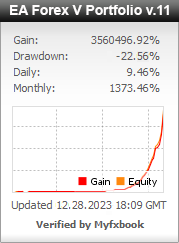
📊 Let Professionals Trade for You: If you struggle with emotional control and greed, consider our Forex Account Management Service (First Month FREE 2026). Our professionals trade on your behalf using the award‑winning Forex V Portfolio v.11 robot, offering 50‑300% monthly profit with low risk (9‑15% drawdown) — so you can benefit from professional trading without emotional interference.


 Signal2forex.com - Best Forex robots and signals


