
📑 Table of Contents
1. Who Is Lloyd Blankfein?
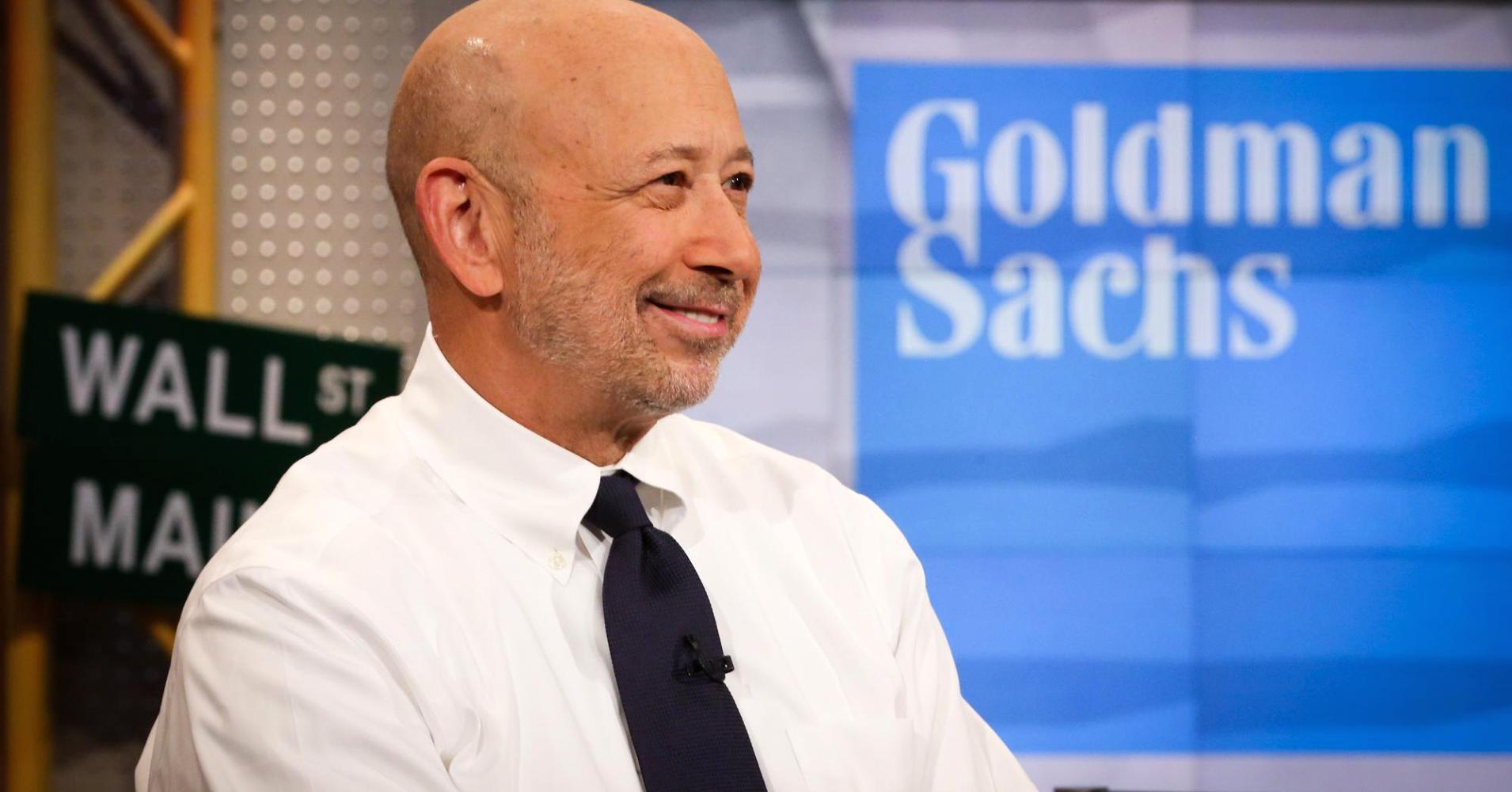
Lloyd Craig Blankfein (born September 20, 1954) is an American business executive who served as Chairman and CEO of Goldman Sachs from 2006 to 2018 — one of the longest tenures in the firm’s history. He is widely regarded as one of the most influential bankers of his generation, having steered the firm through the 2008 financial crisis and transformed it into a modern banking powerhouse.
Blankfein’s journey from public housing in Brooklyn to the pinnacle of Wall Street is a remarkable story of social mobility. He joined Goldman Sachs in 1982 through the acquisition of commodities firm J. Aron & Co. and rose through the ranks to become CEO, a position he held for 12 years before retiring in 2018.
Today, Blankfein serves as Senior Chairman of Goldman Sachs and remains an active investor, author, and commentator on financial markets. His 2026 memoir, Streetwise: Getting to and Through Goldman Sachs, offers an insider’s perspective on leadership, risk management, and the culture of one of the world’s most storied financial institutions.
2. Early Life and Education
Lloyd Blankfein was born on September 20, 1954, in the Bronx, New York, and grew up in the Linden Houses, a public housing development in East New York, Brooklyn. He shared a bedroom with his grandmother or sister until he went off to college. Growing up in poverty, Blankfein was mugged at knifepoint several times and attended an overcrowded, failing high school.
Despite these obstacles, Blankfein excelled academically. He graduated from Thomas Jefferson High School in 1971 as class valedictorian. At just 16 years old, he was accepted to Harvard University on an academic scholarship. He earned a bachelor’s degree in 1975 and later a Juris Doctor from Harvard Law School in 1978.
Reflecting on his journey, Blankfein has emphasised the transformative power of education. He arrived at Harvard in a suit because he had no idea what college culture looked like. His story is a testament to how higher education can break cycles of poverty and open doors to opportunity.
3. Career at Goldman Sachs
Blankfein’s journey at Goldman Sachs began in an unconventional way. After briefly working as a corporate tax lawyer, he joined the commodities trading firm J. Aron & Co. in 1982 as a precious metals salesman. Goldman Sachs had acquired J. Aron the previous year, bringing Blankfein into the fold.
His career trajectory at Goldman Sachs is a masterclass in rising through the ranks:
| Year | Role | Key Events |
|---|---|---|
| 1982 | Joined via J. Aron acquisition | Started as precious metals salesman |
| 1988 | Named Partner | Became a partner at the firm |
| 1994 | Co-Head, J. Aron Division | Co-led currency and commodities division |
| 2002 | Vice Chairman | Promoted to Vice-Chairman of Goldman Sachs |
| 2003 | President and COO | Named President and Chief Operating Officer |
| 2006 | Chairman and CEO | Took over from Henry Paulson |
| 2018 | Retirement | Succeeded by David Solomon |
📌 Blankfein’s 36-year career at Goldman Sachs spanned from 1982 to 2018, making him one of the longest-serving leaders in the firm’s history.
4. CEO Tenure (2006–2018)
Blankfein became Chairman and CEO of Goldman Sachs in 2006, succeeding Henry Paulson who left to become U.S. Treasury Secretary. His 12-year tenure was defined by two major events: the 2008 financial crisis and the firm’s transformation into a bank holding company.
Leading Through the 2008 Financial Crisis
Blankfein is best known for steering Goldman Sachs through the 2008 financial crisis, one of the most challenging periods in modern financial history. Under his leadership, the firm converted to a bank holding company to access Federal Reserve emergency lending facilities, a move that helped stabilise the institution and the broader financial system.
He often served as the primary lightning rod for critics of Wall Street during the crisis, defending the firm’s decisions while navigating intense public scrutiny. His calm hand on the tiller during this turbulent period became a defining feature of his leadership style.
Key Achievements
- Transformation: Converted Goldman Sachs into a bank holding company, ensuring stability during the crisis
- Risk Management: Implemented rigorous risk management frameworks that became industry benchmarks
- Longest CEO in 50 Years: Served 12 years as CEO, the longest tenure at Goldman Sachs in five decades
- Global Expansion: Oversaw the firm’s growth in emerging markets and technology-driven trading
5. Post-Goldman Sachs: 2026 Updates
Since retiring as CEO in 2018, Blankfein has remained actively engaged in finance, investing, and public life. In 2026, he continues to make headlines for his investment activities, memoir, and reflections on leadership.
Active Investor
Blankfein has described trading as his “music” and continues to manage his personal portfolio actively. He trades daily from his iPad and mobile phone, maintaining the intensity of an active trader.
His portfolio is 98% invested in risky assets like single stocks and ETFs, concentrated in three sectors:
- Technology: Owns most leading hyperscalers and their “second tier” competitors
- Energy: Significant exposure to energy sector investments
- Financial Services: Holds a significant amount of his Goldman Sachs stock
Learning and Personal Growth
Outside of investing, Blankfein is studying physics and linguistics, reading military history and biographies, and trading in his personal account daily “for fun”.
6. Net Worth and Investment Philosophy
Lloyd Blankfein’s net worth is estimated between $1.7 billion and $2.3 billion as of 2026. Forbes estimates his net worth at approximately $1.8 billion, while other sources estimate up to $2.3 billion.
| Fact | Detail |
|---|---|
| Full Name | Lloyd Craig Blankfein |
| Born | September 20, 1954 (age 71) |
| Birthplace | Bronx, New York, USA |
| Education | Harvard College (BA), Harvard Law School (JD) |
| Net Worth (2026) | $1.8–$2.3 billion |
| Years at Goldman | 36 years (1982–2018) |
| CEO Tenure | 12 years (2006–2018) |
| Current Portfolio | 98% in risky assets (tech, energy, financials) |
| Memoir | Streetwise: Getting to and Through Goldman Sachs (2026) |
📌 Blankfein’s net worth reflects his long tenure at Goldman Sachs and his concentrated, high-conviction investment approach.
Investment Philosophy
Blankfein’s approach to investing is characterised by concentration and conviction. He holds a significant position in Goldman Sachs stock and has been bullish on technology, energy, and financial services.
He told a podcast that he’s mostly invested in tech, energy, and financial services, and does not plan to sell his tech holdings until they stop appreciating. “Normal people are listening to music while they’re doing other stuff,” he said. “To me, trading is my music.”
7. Memoir: Streetwise (2026)
In March 2026, Blankfein published his memoir, Streetwise: Getting to and Through Goldman Sachs, offering a candid account of his 36-year career at the firm. The book has received widespread attention for its honest reflections on leadership, risk management, and the culture of success at Goldman Sachs.
Key themes from the memoir include:
- From Public Housing to Wall Street: His journey from the Linden Houses in Brooklyn to the top of Goldman Sachs
- Leadership Through Crisis: Steering the firm through the 2008 financial crisis
- Partnership Culture: The evolution of Goldman Sachs’s partnership culture and its impact on success
- Risk Management Lessons: Critical insights on managing risk in an age of extreme turbulence
Kirkus Reviews described the memoir as a “delightfully honest, sharp and often very funny reckoning with the author’s education—in finance, human nature, and the workings of the world”. The book also explores the challenge of spending wealth after achieving financial success — Blankfein reflects that after becoming wealthy, spending money proved more difficult than earning it.
8. Legacy and Influence
Lloyd Blankfein’s legacy extends far beyond his tenure at Goldman Sachs. He is widely regarded as one of the most influential bankers of his generation, having transformed the firm and navigated it through one of the most challenging periods in financial history.
Key Contributions
- Financial Crisis Leadership: His calm and decisive leadership during the 2008 financial crisis helped stabilise not just Goldman Sachs but the broader financial system
- Risk Management: He implemented rigorous risk management frameworks that became industry benchmarks
- Social Mobility: His rags-to-riches story — from public housing in Brooklyn to the top of Wall Street — serves as an inspiration
- Cultural Impact: His memoir, Streetwise, offers lasting lessons on leadership, resilience, and the culture of success
- Longest CEO in 50 Years: His 12-year tenure as CEO was the longest at Goldman Sachs in five decades
Goldman Sachs CEO Timeline
| CEO | Tenure | Key Contribution |
|---|---|---|
| Sidney Weinberg | 1930–1969 | Built modern Goldman Sachs |
| Gus Levy | 1969–1976 | Expanded trading operations |
| John Whitehead | 1976–1985 | Established core values |
| John Weinberg | 1985–1990 | Global expansion |
| Robert Rubin | 1990–1992 | Later Treasury Secretary |
| Stephen Friedman | 1992–1994 | Leadership transition |
| Jon Corzine | 1994–1999 | IPO and public listing |
| Henry Paulson | 1999–2006 | Later Treasury Secretary |
| Lloyd Blankfein | 2006–2018 | 2008 crisis, longest CEO in 50 years |
| David Solomon | 2018–present | Current Chairman & CEO |
📌 Blankfein’s 12-year tenure as CEO was the longest at Goldman Sachs in five decades, cementing his place in the firm’s history.
9. Frequently Asked Questions
Who is Lloyd Blankfein?
Lloyd Blankfein is an American business executive who served as Chairman and CEO of Goldman Sachs from 2006 to 2018. He is known for leading the bank through the 2008 financial crisis and is considered one of Wall Street’s most influential bankers.
How old is Lloyd Blankfein?
Lloyd Blankfein was born on September 20, 1954, making him 71 years old in 2026.
What is Lloyd Blankfein’s educational background?
Blankfein graduated from Thomas Jefferson High School as valedictorian in 1971, earned a BA from Harvard College in 1975, and a JD from Harvard Law School in 1978. He was accepted to Harvard at just 16 years old.
How long was Lloyd Blankfein CEO of Goldman Sachs?
Blankfein served as CEO of Goldman Sachs for 12 years — from 2006 to 2018 — making him the longest-serving CEO at the firm in 50 years.
What is Lloyd Blankfein’s net worth?
As of 2026, Forbes estimates Blankfein’s net worth at approximately $1.8 billion, with other sources estimating up to $2.3 billion.
Who succeeded Lloyd Blankfein at Goldman Sachs?
David Solomon succeeded Lloyd Blankfein as CEO of Goldman Sachs in 2018 and continues to serve as Chairman and CEO.
What is Lloyd Blankfein doing now?
Blankfein remains active as an investor, with 98% of his portfolio in risky assets like tech, energy, and financial services stocks. He trades daily from his iPad, studies physics and linguistics, and published his memoir, Streetwise, in 2026.
What is Lloyd Blankfein’s memoir called?
His memoir, published in March 2026, is titled Streetwise: Getting to and Through Goldman Sachs. It covers his 36-year career at Goldman Sachs and his journey from public housing in Brooklyn to the top of Wall Street.
How did Lloyd Blankfein join Goldman Sachs?
Blankfein joined Goldman Sachs in 1982 through the acquisition of J. Aron & Co., a commodities trading firm where he worked as a precious metals salesman.
What is Lloyd Blankfein’s investment philosophy?
Blankfein maintains a concentrated portfolio, with 98% invested in risky assets like single stocks and ETFs. He focuses on technology, energy, and financial services, and holds a significant amount of his Goldman Sachs stock.
📊 Master Risk Management: Enhance your trading strategy with our comprehensive guide on how to measure volatility with the Average True Range (ATR) indicator — a tool that Blankfein himself used to navigate the volatile markets of 2008. Learn how to set dynamic stops, size positions, and manage risk like a Wall Street professional.
📈 Advanced Technical Analysis: Take your trading to the next level with our complete guide to Andrews pitchfork trading and median line analysis — a powerful trend-following tool that identifies market channels and potential reversal points, complementing the risk management principles that guided Blankfein’s leadership at Goldman Sachs.



 Signal2forex.com - Best Forex robots and signals


