Top 8 Forex Trading Strategies and Their Pros and Cons
📑 Table of Contents
1. What Is a Forex Trading Strategy?
A forex trading strategy is a structured approach that traders use to determine when to buy or sell currency pairs. It combines technical analysis, fundamental analysis, or a blend of both to identify high‑probability trading opportunities. A well‑defined strategy removes emotional decision‑making and provides a clear set of rules for entry, exit, and risk management.
Without a strategy, trading becomes gambling. With a solid strategy, you gain consistency, discipline, and a measurable edge in the market. Whether you are a beginner or an experienced trader, having a strategy that fits your personality, time availability, and risk tolerance is the cornerstone of long‑term success in forex.
2. How to Choose the Right Forex Strategy
Choosing the right strategy depends on three main factors:
- Time commitment: How much time can you dedicate to trading each day? Scalping and day trading require constant screen time, while position trading and swing trading are more hands‑off.
- Risk tolerance: Are you comfortable with high‑risk, high‑reward setups, or do you prefer steady, lower‑risk trades?
- Market understanding: Do you prefer technical patterns, fundamental drivers, or a mix of both?
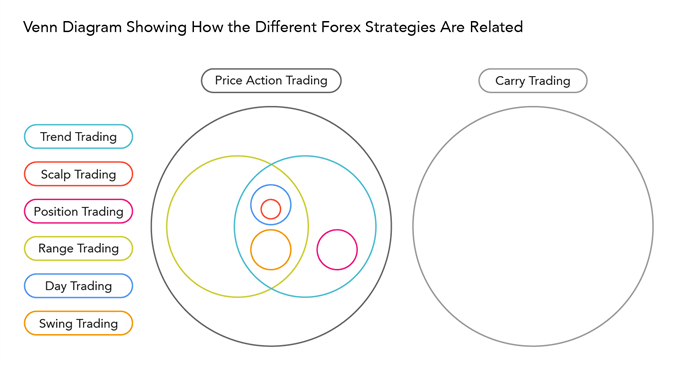
There is no “one size fits all” strategy. The best strategy is the one that aligns with your lifestyle and psychological profile. Experiment with demo accounts to find what works best for you before committing real capital.
3. Comparison Table: 8 Forex Trading Strategies
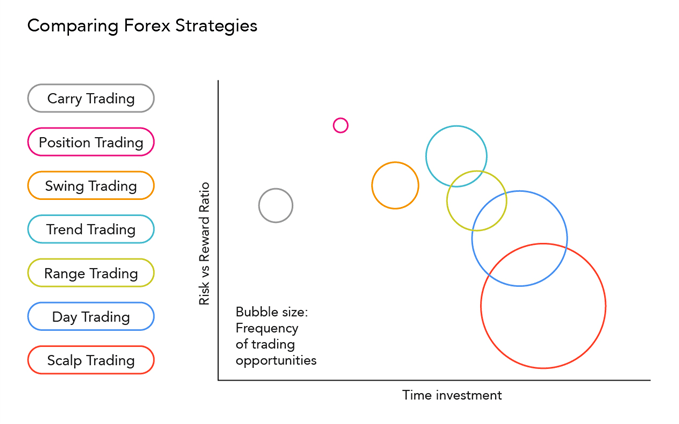
Below is a side‑by‑side comparison of the 8 most popular forex trading strategies. Use this static reference table to quickly identify which strategy matches your trading style, time availability, and risk appetite.
| Strategy | Time Required | Trade Frequency | Risk‑Reward | Best Time Frame | Key Indicators |
|---|---|---|---|---|---|
| Price Action | Medium | Medium | Medium‑High | All time frames | Support/Resistance, Candlesticks |
| Range Trading | Low‑Medium | Medium | Medium | Any (sideways market) | RSI, CCI, Stochastics |
| Trend Trading | Medium | Medium | High | Any (trending market) | Moving Averages, MACD |
| Position Trading | Very High | Very Low | Highest | Long‑term (months‑years) | Fundamental analysis, macro |
| Day Trading | High | High | Medium‑High | Intraday (minutes‑hours) | Technical indicators, Volume |
| Scalping | Highest | Highest | Low‑Medium | Very short (seconds‑minutes) | Tick charts, Order flow |
| Swing Trading | Medium | Low‑Medium | Medium‑High | Medium‑term (days‑weeks) | Fibonacci, Chart patterns |
| Carry Trade | Low | Very Low | Medium | Long‑term | Interest rate differentials |
📌 Time Required refers to the daily or weekly commitment. Trade Frequency indicates how often you open new positions. Risk‑Reward is an estimate of the potential return relative to the risk taken.

4. Detailed Analysis of Each Strategy
4.1 Price Action Trading Strategy
What Is Price Action Trading?
Price action trading is the art of reading raw price movements on a chart without relying on lagging indicators. Traders analyse candlestick patterns, support and resistance levels, and market structure to make trading decisions.
✅ Pros: Clean, unfiltered view of the market; works on any time frame; no indicator lag.
❌ Cons: Subjective; requires experience and practice; can be challenging for beginners.
Best Time Frame: All time frames — from 1‑minute to monthly charts.
Key Indicators: Support/Resistance levels, candlestick patterns (pin bars, engulfing, inside bars).

4.2 Range Trading Strategy
What Is Range Trading?
Range trading involves identifying a horizontal price channel where the market is oscillating between a defined support and resistance level. Traders buy at support and sell at resistance, profiting from the repetitive price swings.
✅ Pros: Simple to understand; works well in choppy, sideways markets; clear entry and exit levels.
❌ Cons: False breakouts can trigger losses; requires patience; best suited for non‑trending environments.
Best Time Frame: Any time frame where the market is ranging (sideways).
Key Indicators: RSI, CCI, Stochastics — oscillators that help identify overbought and oversold conditions.

4.3 Trend Trading Strategy
What Is Trend Trading?
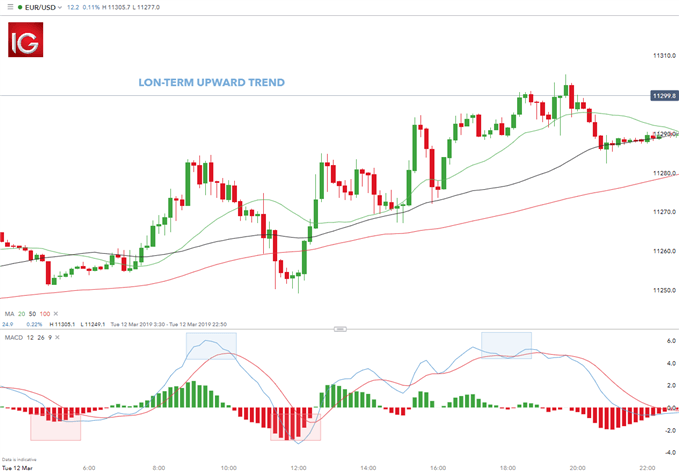
Trend trading is the classic “the trend is your friend” approach. Traders identify the dominant market direction (up, down, or sideways) and enter positions in the direction of the trend, using pullbacks as entry opportunities.
✅ Pros: Captures large moves; works well in strongly trending markets; relatively simple to follow.
❌ Cons: Can produce losses in ranging or choppy markets; late entries can reduce profitability.
Best Time Frame: Any time frame with a clear trend.
Key Indicators: Moving Averages (50, 100, 200), MACD, trendlines.
4.4 Position Trading Strategy
What Is Position Trading?
Position trading is a long‑term approach where traders hold positions for weeks, months, or even years. It is driven by fundamental analysis — interest rates, economic growth, inflation, and geopolitical events — rather than short‑term price fluctuations.
✅ Pros: Lowest time commitment; captures massive trends; less affected by market noise.
❌ Cons: Requires deep fundamental knowledge; large capital required; drawdowns can be significant.
Best Time Frame: Long‑term (months to years).
Key Indicators: Fundamental analysis, macroeconomic data, interest rate differentials.

4.5 Day Trading Strategy
What Is Day Trading?
Day trading involves opening and closing positions within the same trading day. Traders aim to profit from intraday price movements, using technical analysis and news events to time their entries and exits.
✅ Pros: No overnight risk; multiple trading opportunities each day; can generate consistent income.
❌ Cons: High time commitment; requires quick decision‑making; emotional and stressful.
Best Time Frame: Intraday (minutes to hours).
Key Indicators: Volume, moving averages, pivot points, RSI.
4.6 Forex Scalping Strategy
What Is Scalping?
Scalping is the fastest trading style, where traders hold positions for just seconds to a few minutes. Scalpers aim to capture tiny price movements, often relying on high leverage and tight spreads to generate profits.
✅ Pros: Many opportunities per day; low exposure to market risk; can be highly profitable with discipline.
❌ Cons: Requires intense focus and fast execution; high transaction costs; not suitable for beginners.
Best Time Frame: Very short (seconds to minutes).
Key Indicators: Tick charts, order flow, Level 2 data.

4.7 Swing Trading Strategy
What Is Swing Trading?
Swing trading captures “swings” or oscillations in price over a period of days to weeks. Swing traders use a combination of technical analysis and market sentiment to identify reversal points and ride the momentum.
✅ Pros: Balanced time commitment; good risk‑reward ratio; less stressful than day trading.
❌ Cons: Overnight and weekend gap risk; requires patience; can be challenging to time entries correctly.
Best Time Frame: Medium‑term (days to weeks).
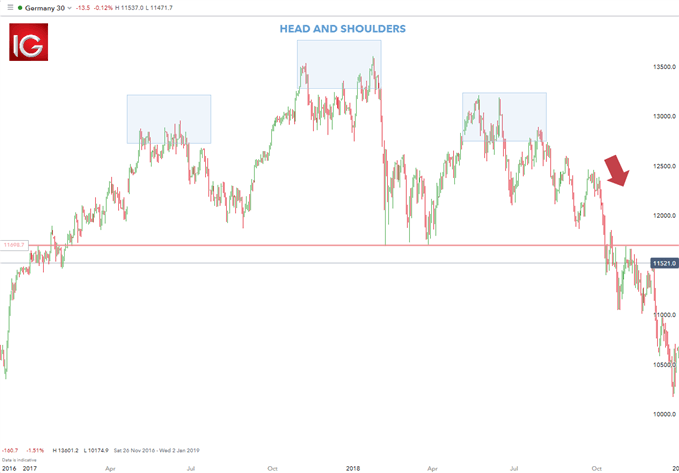
Key Indicators: Fibonacci retracements, chart patterns (head & shoulders, triangles), moving averages.
4.8 Carry Trade Strategy
What Is Carry Trade?
The carry trade involves borrowing in a low‑interest‑rate currency and investing in a high‑interest‑rate currency, profiting from the interest rate differential (the “carry”). It is a long‑term strategy driven by central bank policies.
✅ Pros: Steady income from interest; low time commitment; works well in stable economic environments.
❌ Cons: Vulnerable to sudden risk‑off moves; currency fluctuations can wipe out interest gains; requires large capital.
Best Time Frame: Long‑term.
Key Indicators: Interest rate differentials, central bank policy statements, economic growth data.
5. Which Forex Trading Strategy Is Best for You?
The “best” strategy depends entirely on your personal circumstances:
- If you have a full‑time job and can only trade in the evenings, swing trading or position trading are excellent choices.
- If you are a beginner, start with trend trading or price action — they are intuitive and teach you market dynamics.
- If you thrive on fast action and have the time, scalping or day trading may suit your personality.
- If you prefer a passive approach with a focus on fundamentals, position trading or carry trade are ideal.
Remember: the most profitable strategy is the one you can stick to consistently. Test different approaches on a demo account, track your performance, and refine your method over time.
6. Frequently Asked Questions
What is the best forex trading strategy for beginners?
Swing trading or position trading are best for beginners because they require less time and allow for more thoughtful analysis. They also help new traders understand market trends without the pressure of rapid decision‑making.
Which forex trading strategy is most profitable?
Position trading typically offers the highest risk‑reward ratio over the long term. However, profitability depends on the trader’s skill, risk management, and market conditions. No single strategy guarantees profits.
What is the difference between scalping and day trading?
Scalping involves very short‑term trades (seconds to minutes) with high frequency, while day trading involves positions held within a single day (minutes to hours). Scalping requires faster execution and lower transaction costs.
How much time do I need for each forex trading strategy?
Scalping requires the most time (constant monitoring). Day trading needs several hours per day. Swing trading requires a few hours per week. Position trading requires the least time — monthly or quarterly reviews.
Which indicators are best for range trading?
RSI, CCI, and Stochastics are the most popular oscillators for range trading. They help identify overbought and oversold conditions within a sideways market.
📌 Enhance your trading toolkit: Explore our collection of free Expert Advisors (EAs) — automated trading robots designed to implement these strategies with precision, backtesting, and consistency, saving you hours of manual analysis.
⚠️ Protect your capital: Before you start trading, make sure you understand the risks. Read our complete guide on what a margin call is in forex and how to avoid one — essential risk management knowledge that every trader must master to protect their account from forced closures.


 Signal2forex.com - Best Forex robots and signals