
📑 Table of Contents
- 1. What Are Forex Trading Sessions?
- 2. The Four Major Forex Trading Sessions
- 3. Forex Session Overlaps — The Best Time to Trade
- 4. Forex Market Hours Table (GMT)
- 5. Best Time to Trade by Currency Pair
- 6. Session Characteristics — Liquidity, Volatility & Spreads
- 7. Best Days of the Week to Trade Forex
- 8. How to Choose the Right Session for Your Trading Style
- 9. Frequently Asked Questions
1. What Are Forex Trading Sessions?
The forex market is open 24 hours a day, five days a week, but it is not equally active at all times. The global nature of currency trading means that different financial centres around the world take turns being open, creating distinct trading sessions. These sessions are periods when specific major financial hubs are active, and they have a significant impact on liquidity, volatility, and trading opportunities.
Understanding the four major forex trading sessions — Sydney, Tokyo, London, and New York — is essential for any trader looking to maximise their profits. Each session has unique characteristics, and the best time to trade a particular currency pair often depends on which session is currently active. According to the Bank for International Settlements (BIS), the forex market has an average daily turnover of over $7.5 trillion, but this activity is concentrated during specific sessions when major financial centres are open.
Trading during the right session can mean the difference between a profitable trade and a losing one. During periods of high liquidity (like the London-New York overlap), spreads are tighter, execution is faster, and price movements are smoother. During quieter periods (like the Sydney session), liquidity dries up, spreads widen, and price action can become choppy and unpredictable.
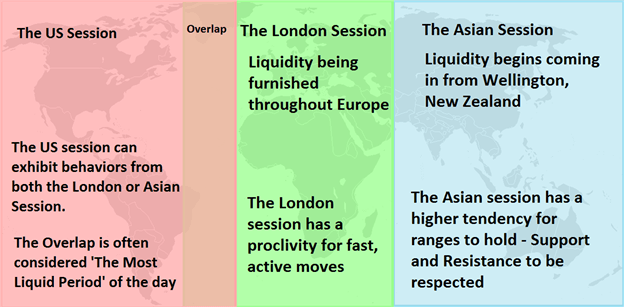
2. The Four Major Forex Trading Sessions
The forex market is divided into four major trading sessions, each corresponding to a major financial centre. Each session has its own characteristics in terms of liquidity, volatility, and the currency pairs that are most active.
Sydney Session (Asian-Pacific)
The Sydney session kicks off the forex trading week. It is the quietest of the four sessions, with lower liquidity and narrower price ranges. However, it is the primary session for trading the Australian dollar (AUD) and New Zealand dollar (NZD). The Sydney session often sets the tone for the Asian session and can provide early clues about market sentiment.
Tokyo Session (Asian)
The Tokyo session is the second session to open and is the primary session for trading the Japanese yen (JPY). It is known for its stability and is often influenced by economic data releases from Japan and China. The Tokyo session typically sees moderate volatility and is popular among traders who prefer a more measured pace.
London Session (European)
The London session is the most liquid and volatile session of the day. Approximately 38% of all forex transactions occur during this session, making it the backbone of the forex market. It is the best time to trade major pairs like EUR/USD, GBP/USD, and USD/CHF. The London session often sees the largest price movements and offers the tightest spreads.
New York Session (North American)
The New York session overlaps with the London session for several hours, creating the most active trading period. It is the primary session for trading the US dollar (USD) and is heavily influenced by US economic data releases. The New York session is known for its high volatility and is popular among traders who like to trade the USD.

3. Forex Session Overlaps — The Best Time to Trade
The session overlaps are the periods when two major financial centres are open simultaneously. These are the most active and lucrative times to trade forex, as liquidity and volatility spike. During overlaps, the market sees the highest volume of transactions, the tightest spreads, and the most significant price movements.
London-New York Overlap (12:00 PM – 4:00 PM GMT)
This is the most active period for forex trading. With both London and New York open, the market sees the highest volume of transactions, the tightest spreads, and the most significant price movements. This overlap is the best time to trade major pairs like EUR/USD, GBP/USD, and USD/JPY.
Tokyo-London Overlap (7:00 AM – 9:00 AM GMT)
This overlap occurs when the Tokyo session is still open and the London session begins. While not as active as the London-New York overlap, it still offers good liquidity and volatility for pairs like EUR/JPY and GBP/JPY.
Sydney-Tokyo Overlap (12:00 AM – 6:00 AM GMT)
This overlap occurs during the Asian trading hours and is the quietest of the three overlaps. It is best suited for trading AUD/JPY and NZD/JPY.
| Overlap | Time (GMT) | Duration | Liquidity | Volatility | Best Pairs |
|---|---|---|---|---|---|
| Tokyo-London | 7:00 AM – 9:00 AM | 2 hours | Medium-High | Medium-High | EUR/JPY, GBP/JPY |
| London-New York | 12:00 PM – 4:00 PM | 4 hours | Very High | Very High | EUR/USD, GBP/USD, USD/JPY |
📌 The London-New York overlap is the most active period, offering the highest liquidity and tightest spreads. This is the best time for intraday trading.
4. Forex Market Hours (GMT)
The table below shows the opening and closing times for each major forex session in GMT. Use this as a quick reference when planning your trading day.
| Session | Location | Open (GMT) | Close (GMT) | Key Pairs | Volatility |
|---|---|---|---|---|---|
| Sydney | Australia | 9:00 PM | 6:00 AM | AUD/USD, NZD/USD | Low-Medium |
| Tokyo | Japan | 12:00 AM | 9:00 AM | USD/JPY, EUR/JPY | Medium |
| London | UK | 7:00 AM | 4:00 PM | EUR/USD, GBP/USD | High |
| New York | USA | 12:00 PM | 9:00 PM | USD/CAD, USD/JPY | High |
📌 All times are in GMT. Adjust for your local timezone and daylight saving changes.
5. Best Time to Trade by Currency Pair
Different currency pairs have different optimal trading times. The best time to trade a currency pair is when its home market is open and active.
| Currency Pair | Best Time (GMT) | Session | Reason |
|---|---|---|---|
| EUR/USD | 7:00 AM – 4:00 PM | London & NY overlap | Highest liquidity |
| GBP/USD | 7:00 AM – 4:00 PM | London & NY overlap | Highest liquidity |
| USD/JPY | 12:00 AM – 9:00 AM | Tokyo & London overlap | Asian session activity |
| USD/CHF | 7:00 AM – 4:00 PM | London session | European trading |
| AUD/USD | 9:00 PM – 6:00 AM | Sydney session | Asian-Pacific activity |
| USD/CAD | 12:00 PM – 9:00 PM | New York session | North American activity |
📌 Trade each currency pair during its home session for the best liquidity and tightest spreads. The London-New York overlap is ideal for EUR/USD and GBP/USD.

6. Session Characteristics — Liquidity, Volatility & Spreads
Each forex session has distinct characteristics that make it suitable for different trading styles. The table below compares liquidity, volatility, spreads, and the best trading style for each session.
| Session | Liquidity | Volatility | Spreads | Best For |
|---|---|---|---|---|
| Sydney | Low-Medium | Low | Wider | Scalping, AUD/NZD pairs |
| Tokyo | Medium | Medium | Normal | Day trading, JPY pairs |
| London | Very High | High | Tightest | Swing trading, EUR/GBP |
| New York | High | High | Tight | Swing trading, USD pairs |
| London-NY Overlap | Highest | Highest | Tightest | All styles |
📌 The London session and the London-New York overlap offer the best conditions for most traders, with high liquidity, tight spreads, and strong volatility.
7. Best Days of the Week to Trade Forex
Not all days of the week are created equal in forex. The best days to trade are Tuesday, Wednesday, and Thursday, when liquidity and volatility are at their peak. Mondays tend to be quiet as traders assess the week ahead, while Fridays often see profit-taking and position squaring.
| Day | Activity Level | Best For | Notes |
|---|---|---|---|
| Monday | Low-Medium | Quiet trading | Asian session sets the tone |
| Tuesday | High | Active trading | Peak liquidity begins |
| Wednesday | Very High | Best day for trading | Maximum volatility |
| Thursday | High | Active trading | Still highly active |
| Friday | Medium | Caution advised | Profit-taking, unpredictable |
📌 Tuesday, Wednesday, and Thursday are generally the best days for forex trading, as liquidity and volatility are highest during the middle of the week.
8. How to Choose the Right Session for Your Trading Style
Choosing the right session depends on your trading style, schedule, and the currency pairs you prefer to trade.
- If you are a scalper — the London session and the London-New York overlap offer the highest liquidity and tightest spreads, allowing for quick entries and exits.
- If you are a day trader — the London session is ideal for capturing intraday moves, while the New York session offers additional opportunities for US dollar pairs.
- If you are a swing trader — the London and New York sessions provide the volatility needed for larger moves over several days or weeks.
- If you prefer quiet, stable trading — the Sydney and Tokyo sessions offer lower volatility and are suitable for traders who prefer a more measured pace.
- If you want to trade specific pairs — trade AUD/USD and NZD/USD during Sydney, JPY pairs during Tokyo, EUR/GBP during London, and USD pairs during New York.
Remember, the best session for you is the one that aligns with your trading style and availability. Consistency is key — choose a session and stick to it.
9. Frequently Asked Questions
What are the four major forex trading sessions?
The four major forex trading sessions are Sydney (9 PM – 6 AM GMT), Tokyo (12 AM – 9 AM GMT), London (7 AM – 4 PM GMT), and New York (12 PM – 9 PM GMT). Each session has different characteristics in terms of liquidity and volatility.
When is the best time to trade forex?
The best time to trade forex is during the London-New York overlap (12:00 PM – 4:00 PM GMT) when liquidity and volatility are at their highest. The London session (7:00 AM – 4:00 PM GMT) is also excellent for trading major pairs.
What is the London-New York overlap?
The London-New York overlap occurs from 12:00 PM to 4:00 PM GMT. This is the most active period for forex trading, with the highest liquidity and tightest spreads. During this overlap, the London and New York sessions are open simultaneously.
What days are best for forex trading?
Tuesday, Wednesday, and Thursday are generally the best days for forex trading, as liquidity and volatility are highest during the middle of the week. Mondays and Fridays tend to be quieter.
Which currency pairs should I trade during the London session?
During the London session, the best pairs to trade are EUR/USD, GBP/USD, and USD/CHF. These pairs have the highest liquidity and tightest spreads when European markets are active.
Which currency pairs should I trade during the Asian session?
During the Asian session, the best pairs to trade are USD/JPY, EUR/JPY, and AUD/USD. These pairs are most active when Tokyo and Sydney markets are open.
What is the Sydney session in forex?
The Sydney session is the first trading session of the day, running from 9:00 PM to 6:00 AM GMT. It is the quietest of the four sessions, with lower liquidity and narrower price ranges. It is the primary session for trading the Australian dollar (AUD) and New Zealand dollar (NZD).
What is the most volatile forex trading session?
The London session is generally the most volatile, especially during the London-New York overlap. This is when the highest trading volumes and largest price movements occur.
Why is the London session important for forex trading?
The London session accounts for the largest share of daily forex volume, with approximately 38% of all forex transactions occurring during this session. It is the backbone of the forex market and offers the highest liquidity.
What is the best session for scalping?
The London session and the London-New York overlap are generally the best for scalping, as they offer the highest liquidity and tightest spreads, allowing for quick entries and exits.
🧠 Master Your Trading Psychology: Knowing the best sessions to trade is only half the battle — managing your emotions is equally important. Learn how to Control Greed When Trading with proven psychology strategies, discipline techniques, and risk management tips that will help you stay calm and focused during the most volatile trading sessions.
📊 Combine Session Timing with Economic Data: Trading during the right session is essential, but understanding key economic indicators gives you an edge. Discover What Are Retail Sales and Why Is It Important to Traders — a comprehensive guide explaining how this major economic indicator moves the markets and how you can incorporate it into your session-based trading strategy.


 Signal2forex.com - Best Forex robots and signals


